Energy intelligence, translated into action
Articles from the CAIRNE team on monitoring, optimization, and the operational moves that keep your power usage under control.
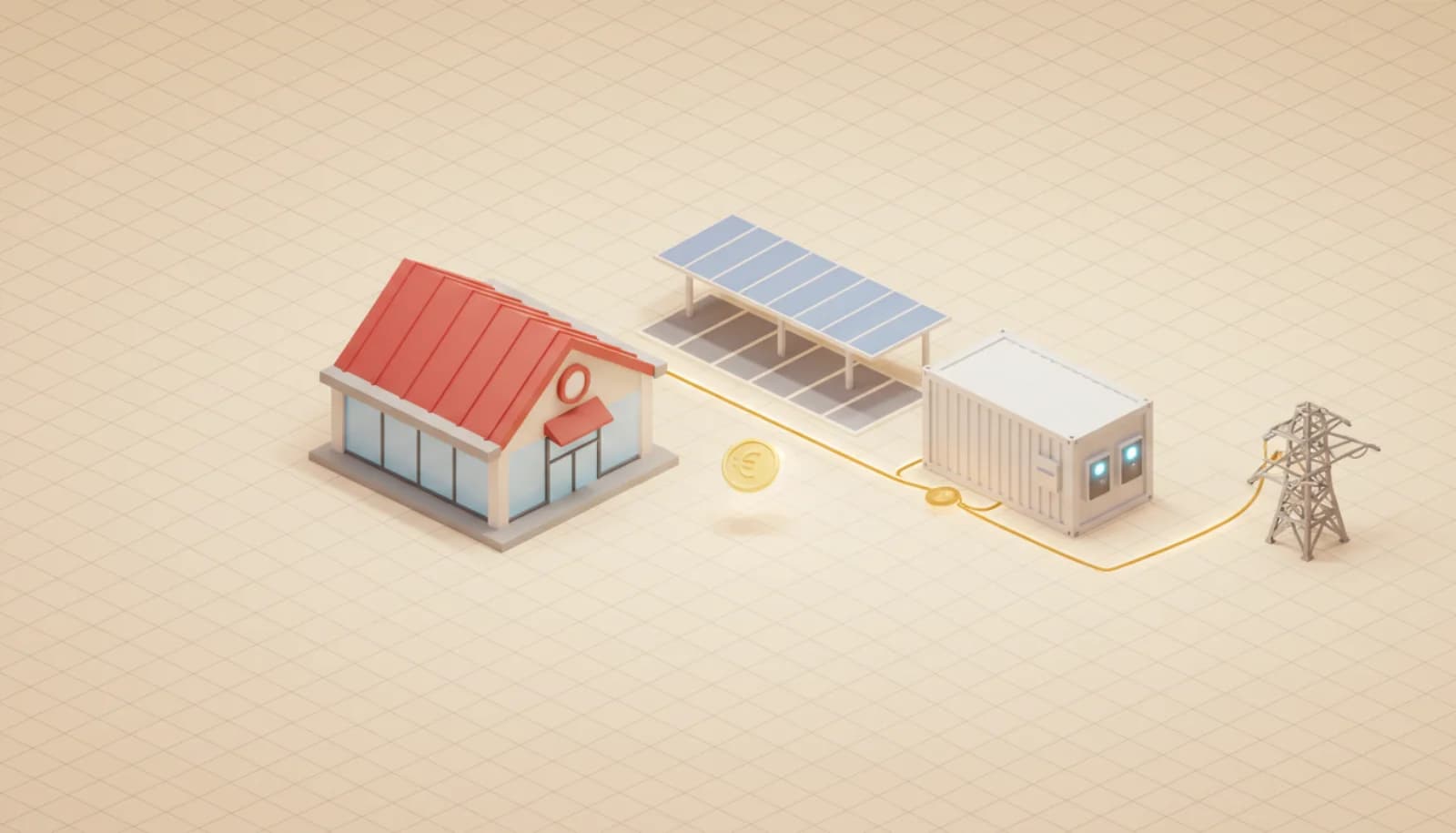
Installing Battery Storage at a Supermarket: 2026 Guide
Lithium battery prices fell 45% in one year, France now has 1.46 GW of grid-connected storage and aFRR pays EUR 50K-150K/MW/year. Here is how to size, finance, and install a battery at a supermarket in 2026.

Submetering for real estate: why hypervision matters
Submeters without a hypervision platform produce a data graveyard. Here is how real estate operators turn granular metering into asset value, with EPBD, CRREM and GRESB compliance built in for 2026.
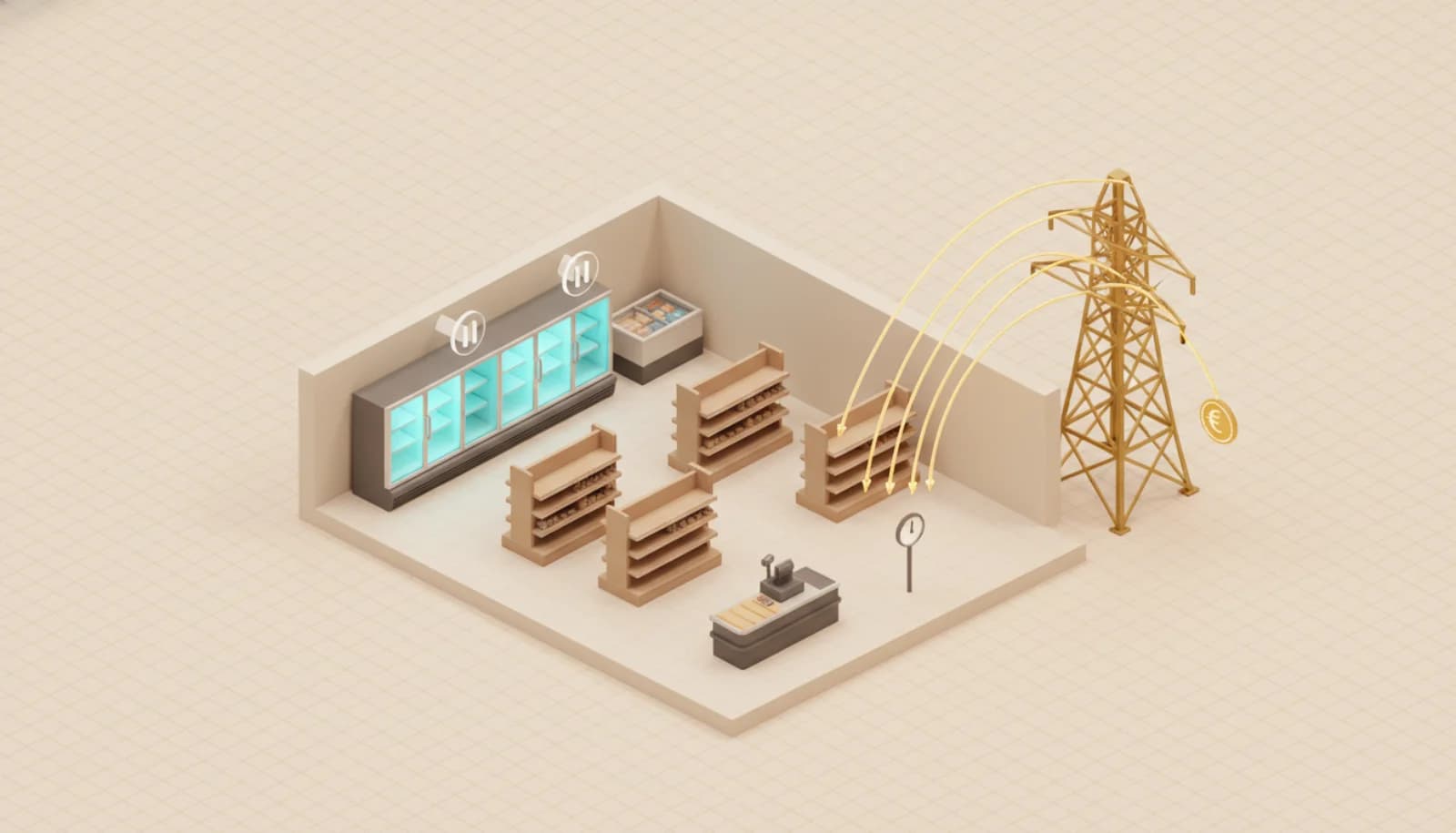
Demand Response: How Supermarkets Get Paid by the Grid
Carrefour now runs 68 hypermarkets on real-time flexibility, France's RTE pays up to EUR 38,863/MW to shed peak demand. Here is how demand response works and what it pays a supermarket in 2026.
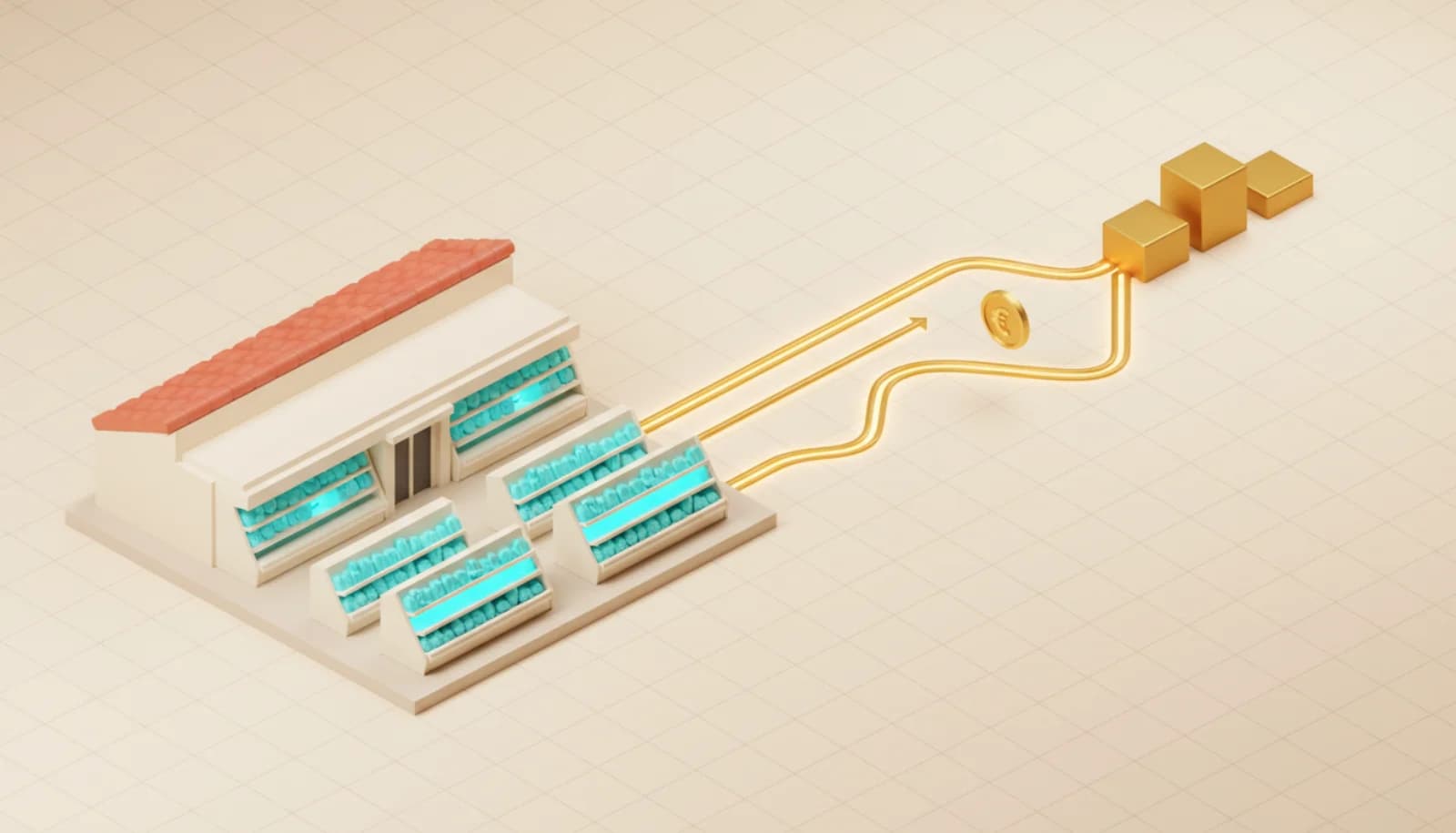
Bloc + Spot Power Contracts: 2026 Supermarket Strategy
With the ARENH safety net gone on 31 December 2025 and spot volatility back, French retailers are switching to bloc + spot contracts. 70-80% locked in forward, 20-30% on EPEX. Here is how it works.
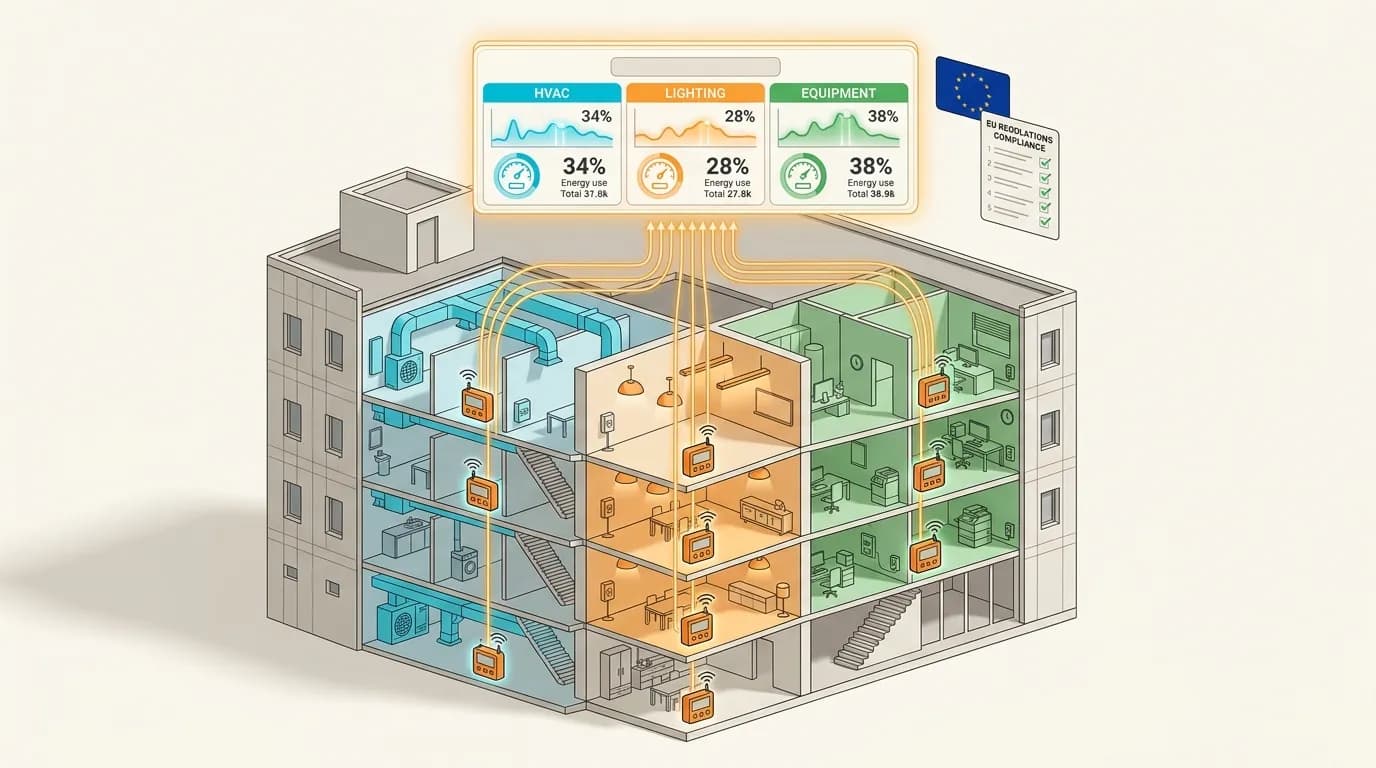
Electricity Submetering: EU Rules and Payback
European directives now implicitly mandate granular energy submetering. Learn the EPBD, BACS, and national requirements, plus how submetering delivers under-12-month payback for commercial buildings.
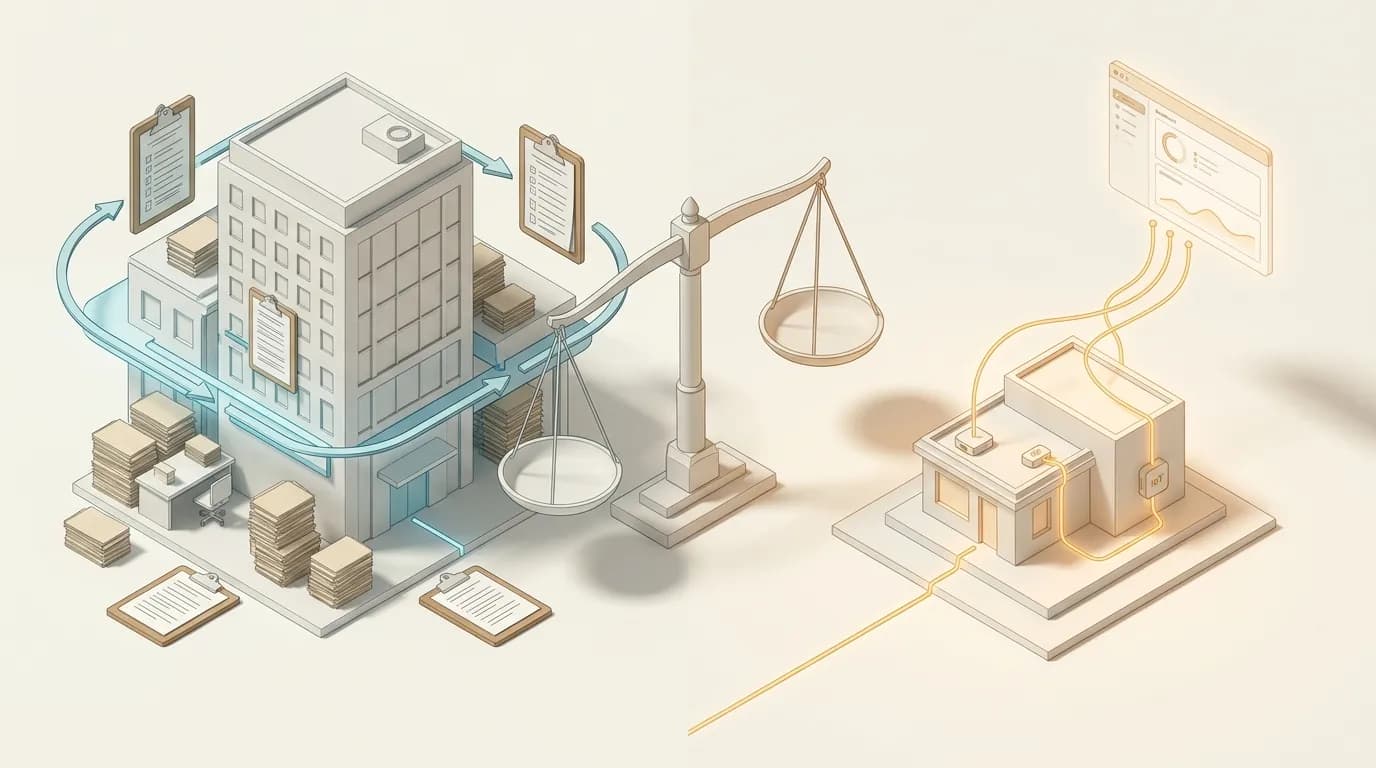
ISO 50001 vs Simple Energy Monitoring for SMEs
ISO 50001 certification costs €15,000-50,000 and takes 6-18 months. Simple energy monitoring delivers 80% of the benefit at 20% of the cost. Here's how to decide which path fits your business.
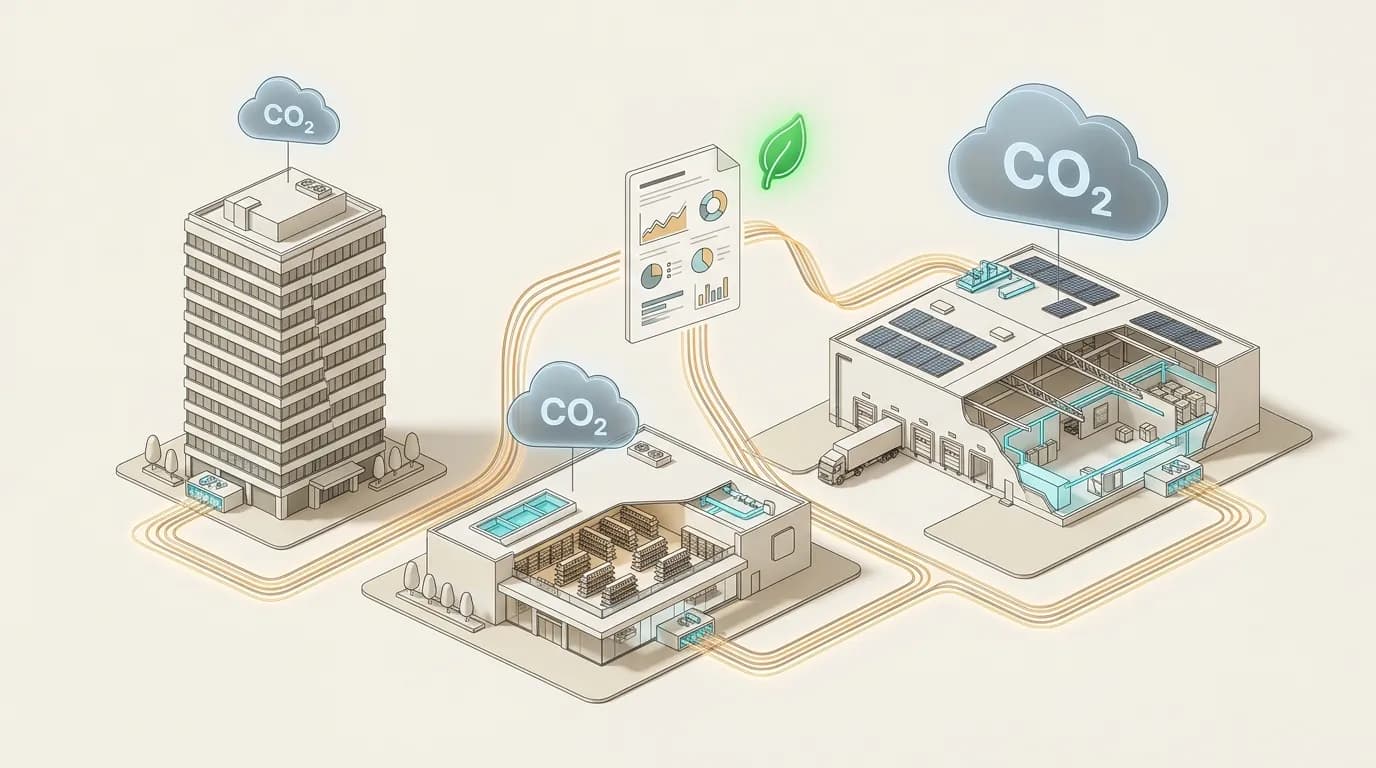
CSRD Scope 2 Reporting for Commercial Buildings
CSRD requires per-site Scope 2 emissions data using both location-based and market-based methods. Learn what ESRS E1 demands for buildings and how energy monitoring automates compliance.
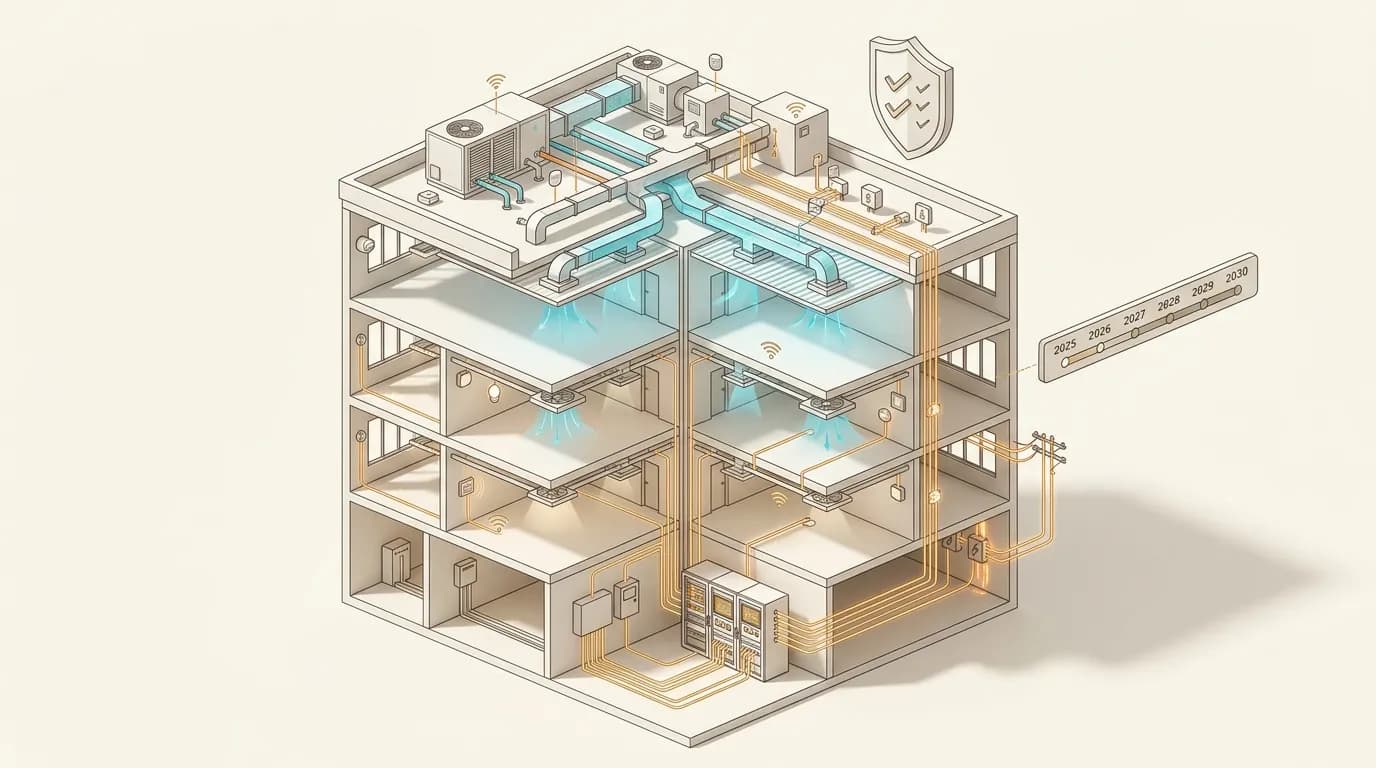
BACS Compliance 2026: What Building Owners Must Do Now
The EPBD recast requires BACS Class C minimum for buildings over 290 kW by 2025 and 70 kW by 2030. Learn what BACS compliance means, the timeline, penalties, and how lightweight IoT monitoring can get you compliant.
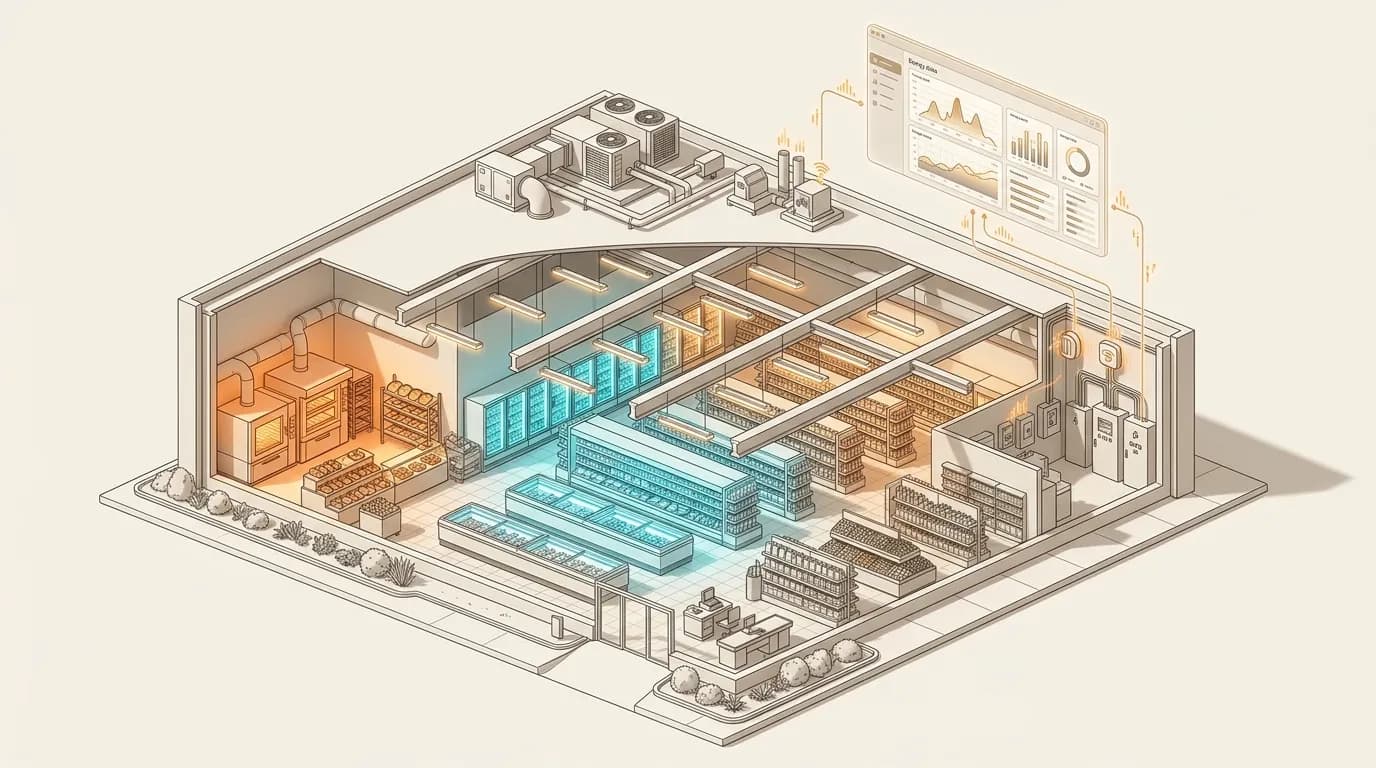
Energy Monitoring for Supermarkets: The Complete Guide
Supermarkets spend 40-60% of their electricity on refrigeration alone. Learn how energy monitoring cuts costs 10-25%, prevents equipment failures, and meets Decret Tertiaire compliance.
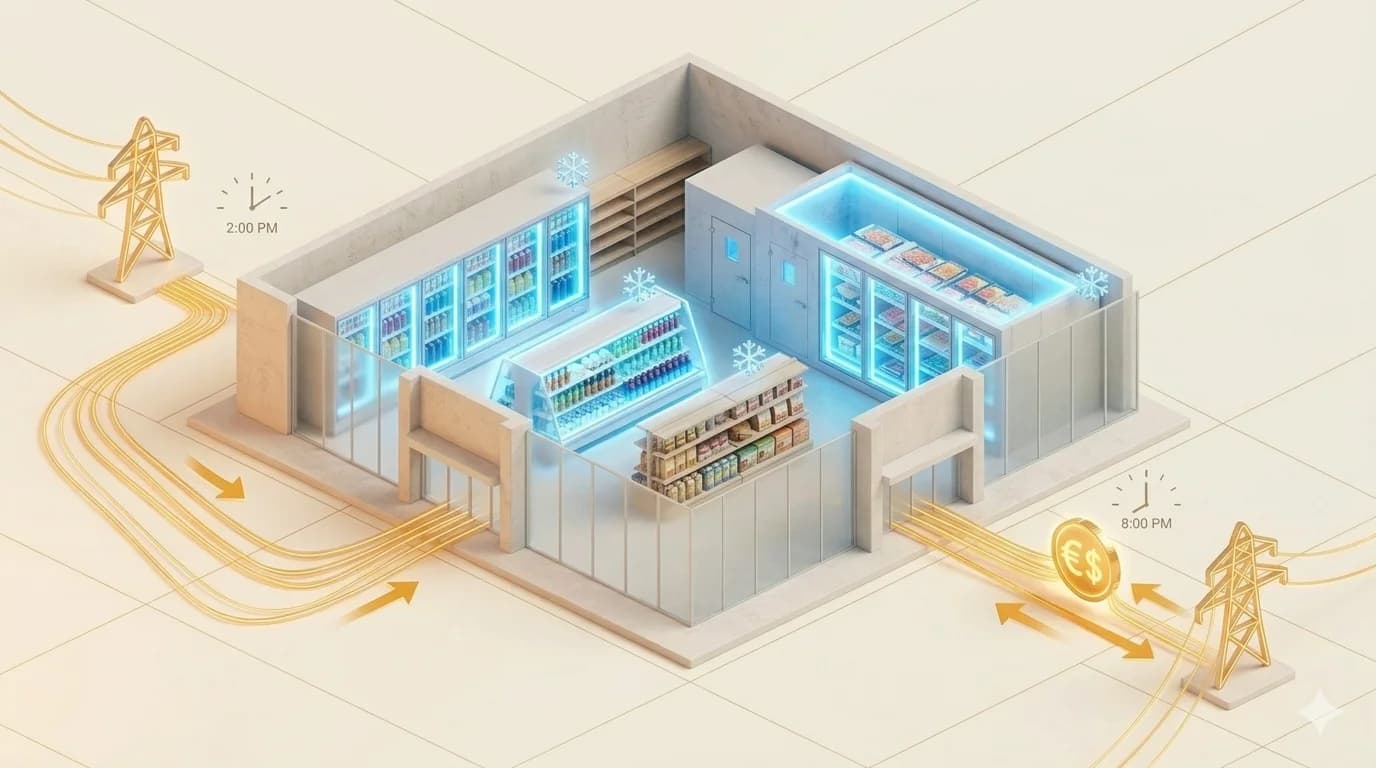
Refrigeration as a Hidden Battery: Earn From Flexibility
Supermarket refrigeration consumes 40-50% of electricity but its thermal inertia makes it a natural battery. Flexibility markets pay $30K-$85K per MW/year, and here's how to tap in.
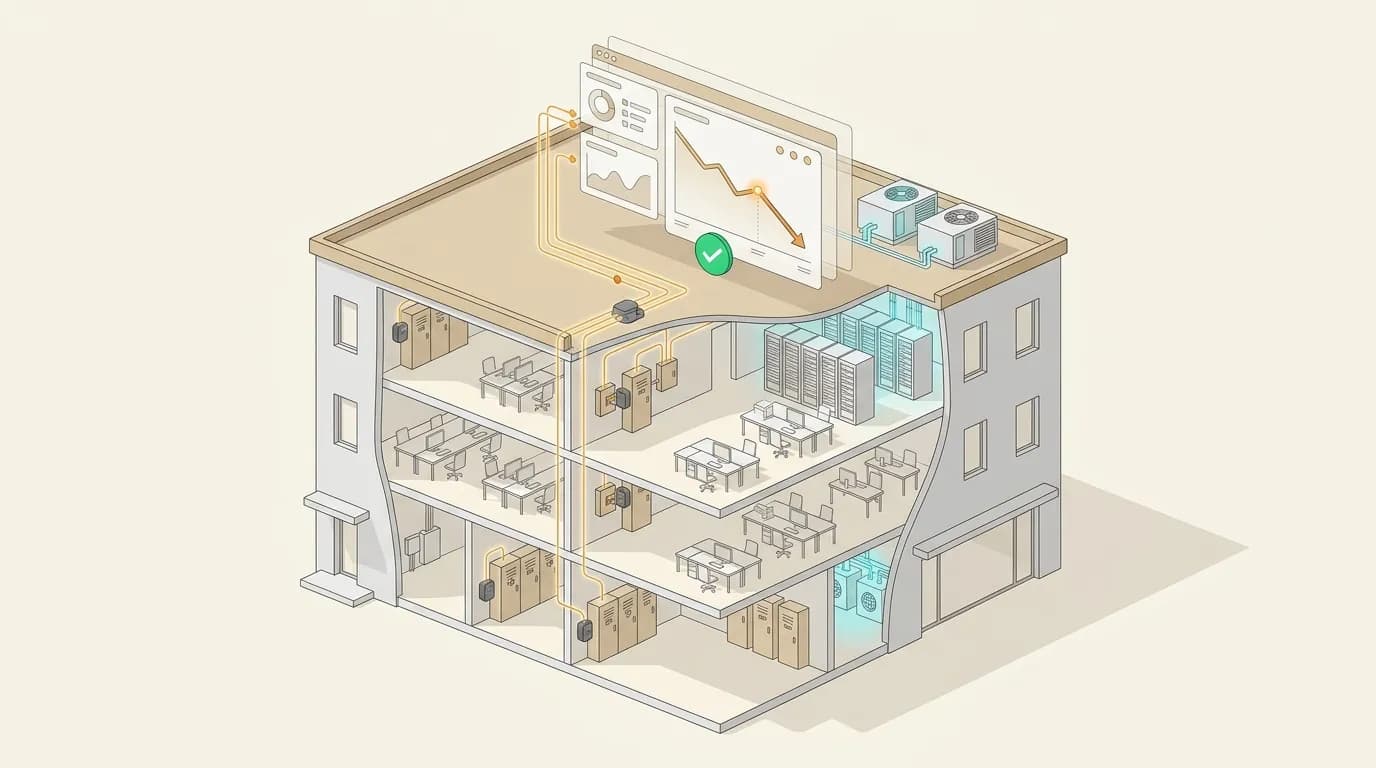
Cut Energy Costs Without Capex: The Monitoring-First Way
Most energy savings don't require expensive equipment upgrades. Real-time monitoring delivers 10-30% savings as an OPEX subscription with payback under 12 months.
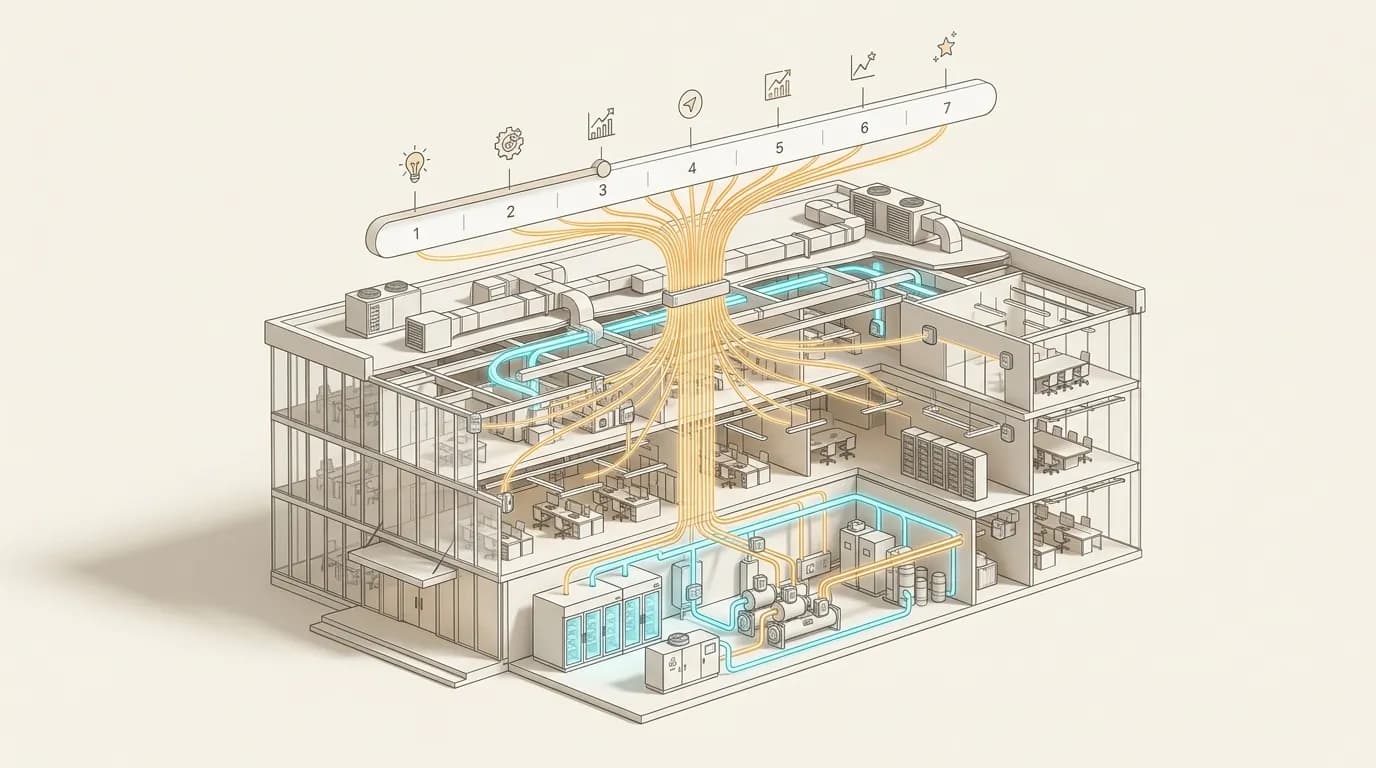
Your First 7 Days of Energy Monitoring: What to Expect
Discover what happens when you turn on energy monitoring for the first time. Day-by-day guide to the insights, anomalies, and quick wins revealed in your first week of data.

Energy Dashboards vs Alerts: What Actually Saves Money
Alert-based energy systems deliver 9% median savings vs. 3-4% for dashboards alone. Here's why building owners should stop watching charts and start acting on alerts.
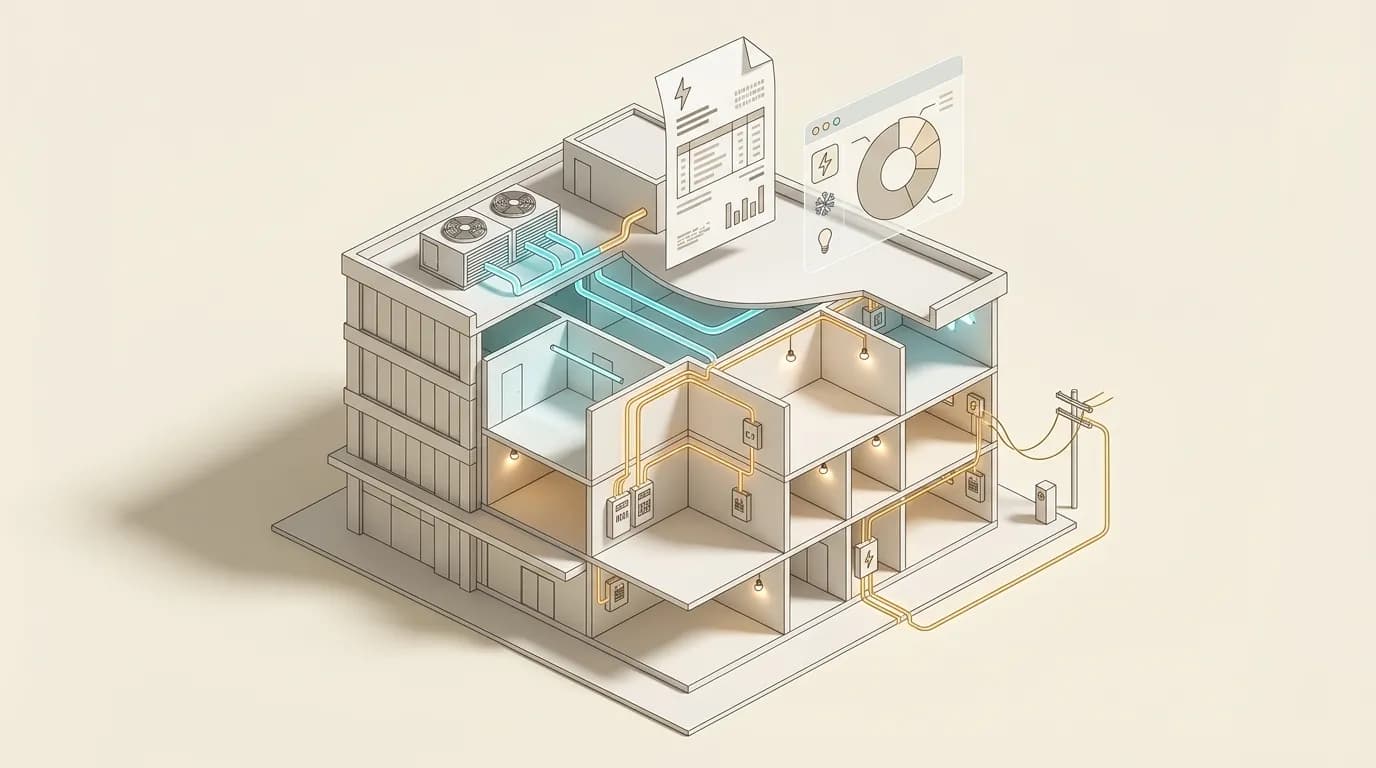
Decode Your Commercial Electricity Bill: Hidden Costs
Commercial electricity bills contain demand charges, reactive power penalties, and network levies that most businesses never question. Learn to decode every line and cut 5-15% from your energy spend.
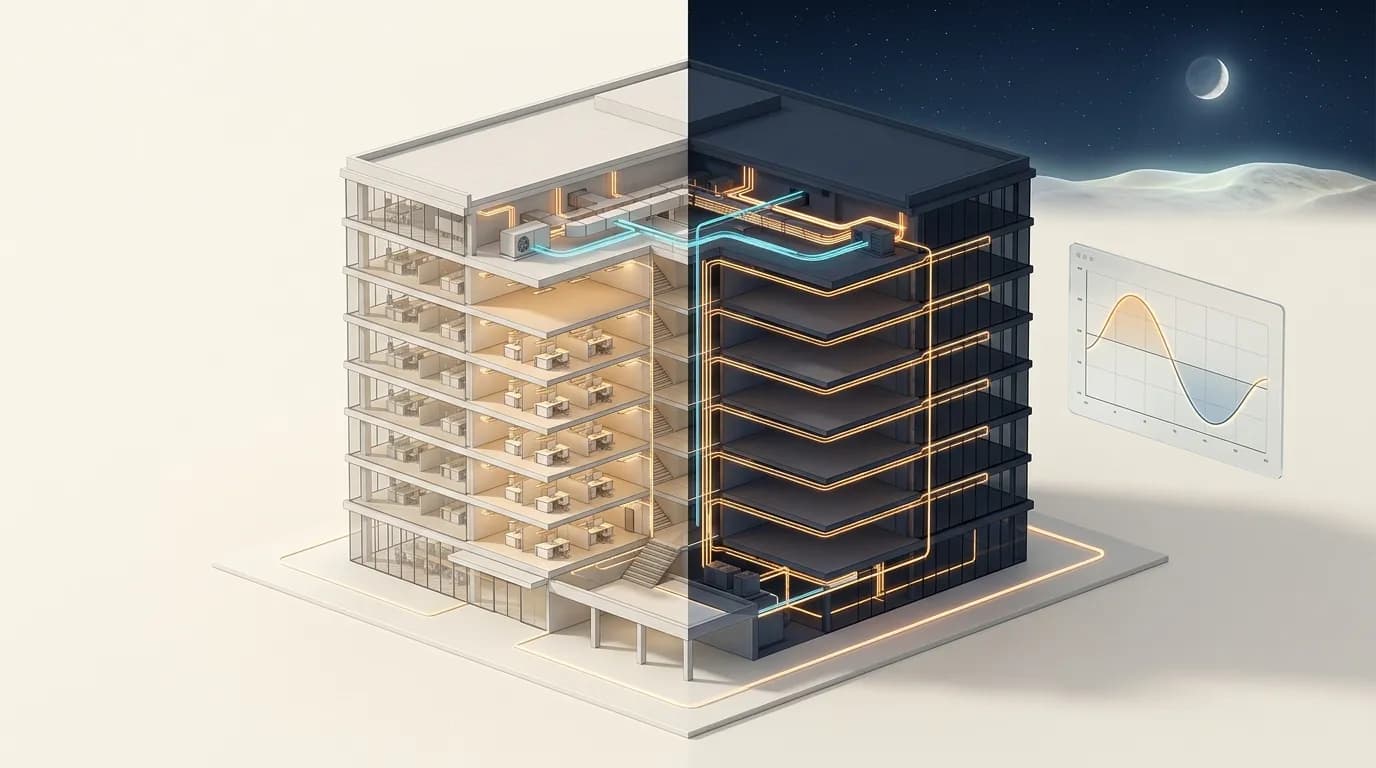
After-Hours Energy Waste: How Much Are You Spending?
Commercial buildings consume 45-65% of total energy during unoccupied hours. Learn how to identify overnight waste from HVAC, lighting, and phantom loads with base load analysis.
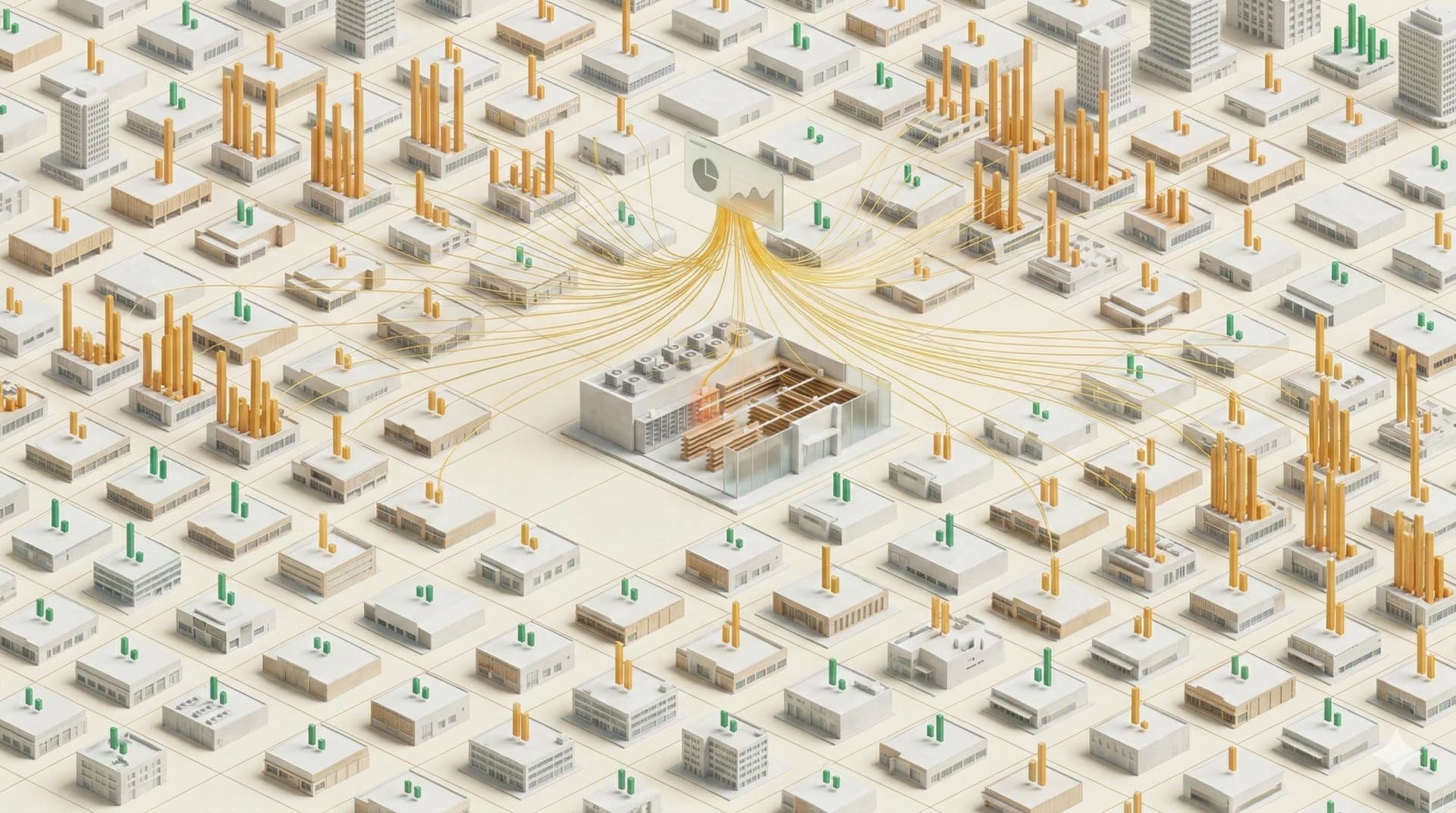
Portfolio Energy Analysis: How Much Can You Save?
An analysis of over 1,500 sites reveals consumption gaps of 20-25% between comparable buildings. Benchmarking and data science identify and capture this savings potential.
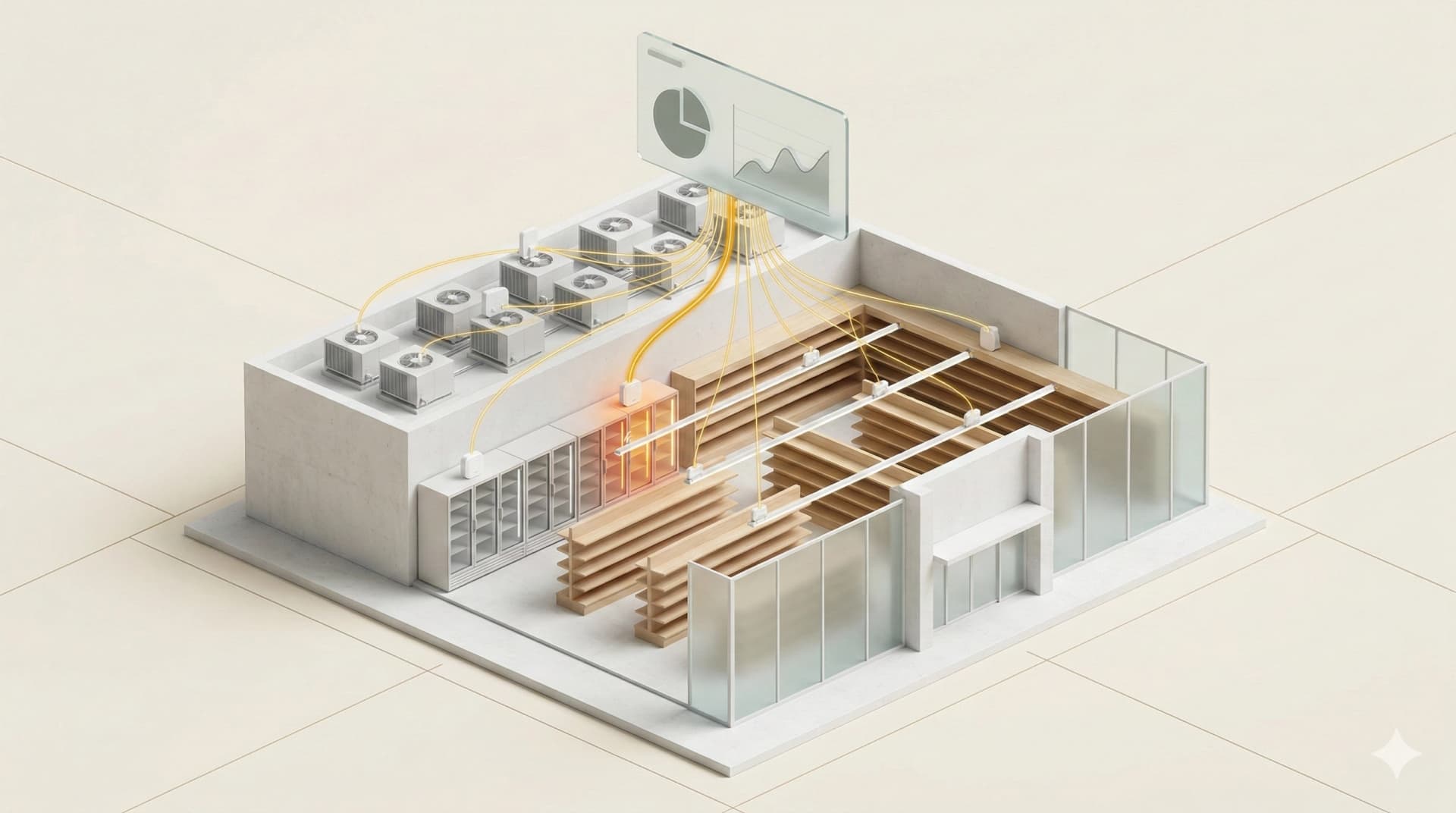
Building Energy Tracking: Cut Costs, Stay Compliant
Buildings consume ~30% of global energy. Learn how energy tracking systems deliver 10-25% savings, meet regulations like the Decret Tertiaire, and prevent waste.

Load Shifting: 6 Strategies to Reduce Your Energy Costs
Load shifting cuts commercial energy bills by 20-40%. Learn 6 proven strategies with real savings data, from refrigeration pre-cooling to HVAC scheduling.